From 27 January 2026, India’s driver licensing system takes a decisive turn as mandatory eye tests become compulsory for motorists aged 60 and above at renewal. The change signals the end of routine renewals without health checks, placing sharper focus on road safety and age-related vision risks. Authorities say the move responds to growing traffic density and an ageing driving population, aiming to balance personal mobility with public safety. For older drivers, the new rule introduces extra preparation, clearer expectations, and a more structured renewal process.
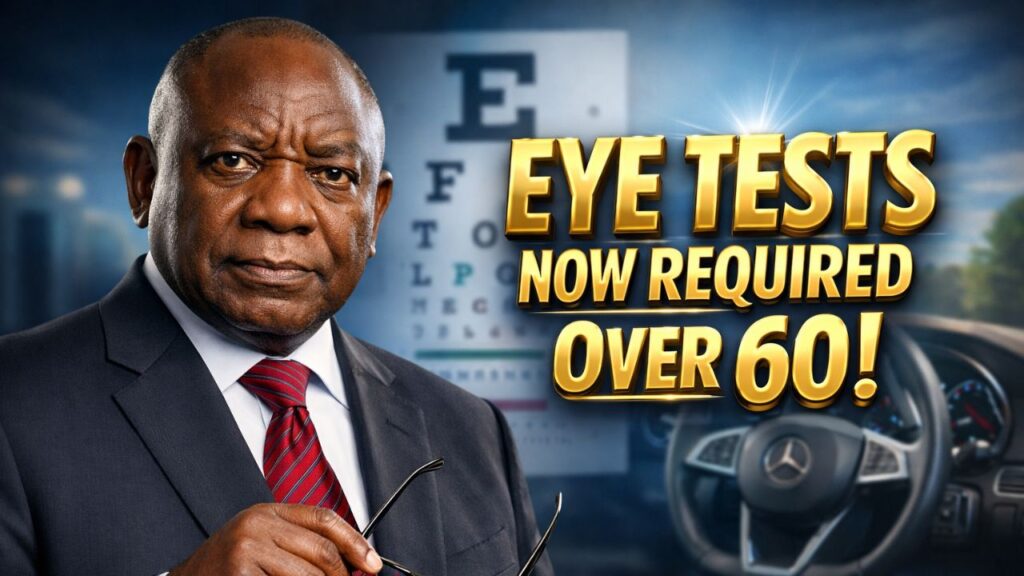
Licence renewal rules tighten with eye tests for drivers aged 60+
Under the updated system, licence renewal after 60 now requires certified vision screening before approval. Officials argue that vision safety checks are essential as eyesight naturally changes with age, affecting reaction time and hazard detection. The process introduces mandatory eye screening at authorised centres, replacing paperwork-only renewals. While some drivers worry about inconvenience, transport departments stress road accident reduction as the core goal. By identifying treatable vision issues early, authorities believe the rule supports safer driving without forcing capable seniors off the road.

How the 60+ driver eye test process works in India
The new procedure is designed to remain accessible while ensuring accuracy. Drivers must book an appointment, complete the test, and submit results during renewal, creating clear renewal steps for applicants. Tests focus on visual acuity, peripheral awareness, and contrast sensitivity, not advanced medical exams, ensuring simple clinical assessment. Results are digitally linked to applications, enabling faster licence processing once standards are met. Authorities emphasise that most drivers with corrective lenses will still qualify, provided vision meets prescribed limits.

What the new eye check law means for senior drivers
For older motorists, the reform brings both reassurance and responsibility. Regular checks encourage early vision detection, allowing drivers to address issues before they become dangerous. Transport officials frame the rule as a step toward safer senior mobility, not a restriction on independence. However, those who delay preparation risk renewal appointment delays close to expiry dates. Planning ahead, keeping prescriptions updated, and understanding thresholds will help seniors navigate renewals smoothly.
Why mandatory eye tests could reshape road safety
This policy reflects a broader shift toward evidence-based licensing, recognising health as part of driving competence. By embedding preventive safety approach into renewals, authorities aim to normalise regular vision care among older adults. Over time, consistent screening may lead to better traffic outcomes and reduced strain on emergency services. While adaptation may take time, the reform signals that safety and independence can coexist when standards are transparent and support systems remain accessible.
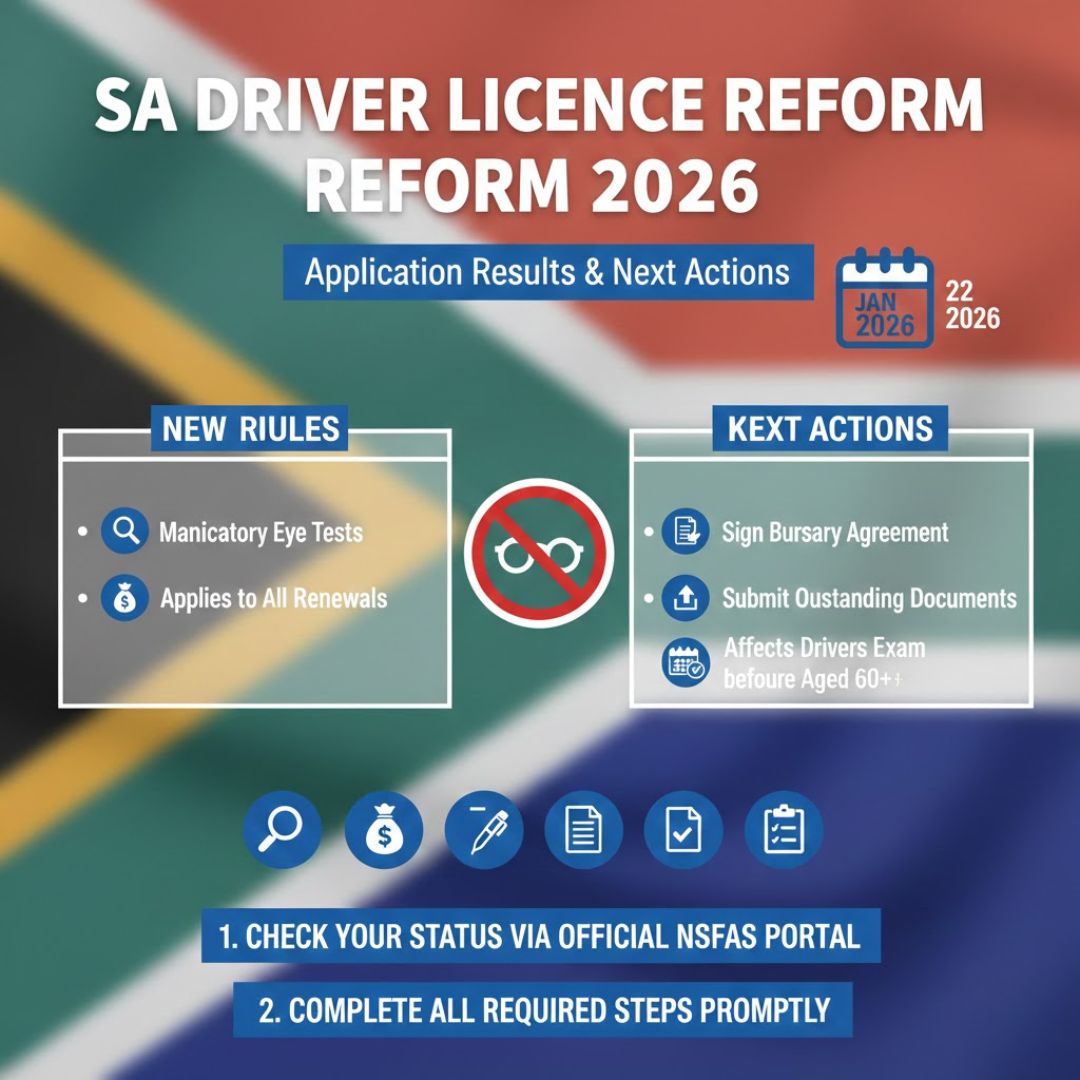
| Category | Requirement | Applies From |
|---|---|---|
| Age Group | Drivers 60+ | 27 Jan 2026 |
| Renewal Condition | Certified eye test | At each renewal |
| Test Location | Authorised centres | Nationwide |
| Corrective Lenses | Permitted if standards met | Ongoing |
Frequently Asked Questions (FAQs)
1. Who must take the mandatory eye test?
All drivers aged 60 and above renewing their licence after 27 January 2026.

2. Will glasses automatically disqualify a driver?
No, drivers can qualify if corrected vision meets the required standards.
3. How often is the eye test required?
An eye test is required each time the licence is renewed after age 60.
4. Can renewal proceed without the eye test?
No, renewal applications will not be approved without valid test results.